

Quick eFile 720!
What “Form 720 filing” means for Ohio businesses
Form 720 is used to report specific excise taxes tied to certain products, services, and activities. Common categories include fuel taxes, air transportation and communications taxes, environmental taxes, and specialty excise items. Some organizations also use Form 720 to report the PCORI fee (Patient-Centered Outcomes Research Institute fee) when applicable.
For background on what the return covers and how it's structured, see the site's guide to Form 720.
Who must file IRS Form 720 in Ohio?
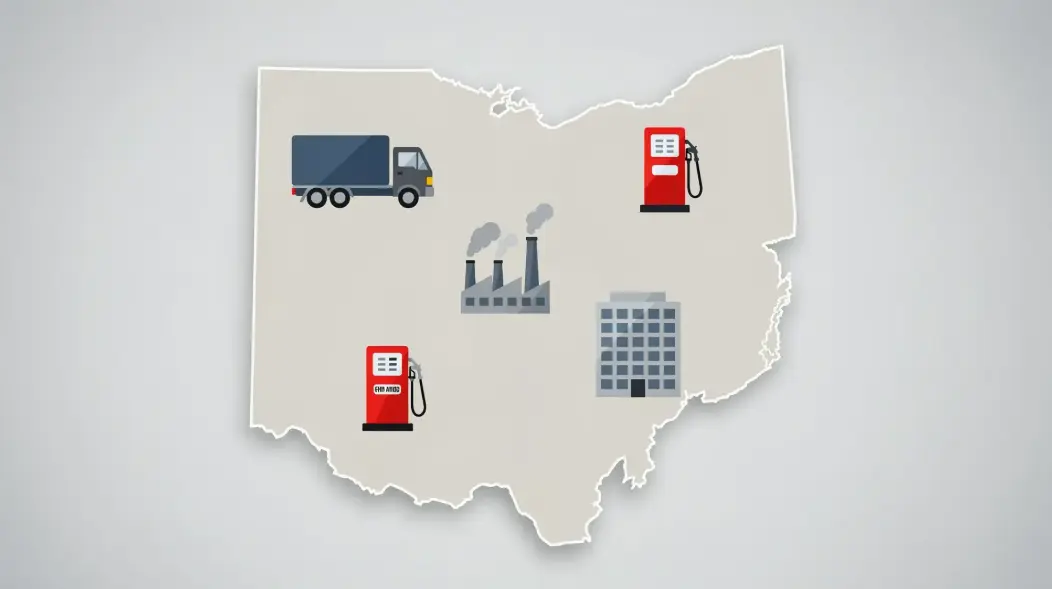
You generally need to file IRS Form 720 in Ohio if your business is responsible for collecting, reporting, or paying one or more federal excise taxes covered by the form. This often includes Ohio-based:
- Fuel distributors, resellers, and certain transportation or logistics businesses
- Manufacturers, importers, or retailers of products subject to federal excise tax
- Service providers that collect excise taxes on taxable services
- Plan sponsors and applicable entities that owe the PCORI fee
Filing requirements depend on the tax type, your role in the transaction (manufacturer, seller, importer, or liable party), and the IRS rules for that excise category.
If you are unsure whether you must file, the official IRS instructions are the final authority. You can review the latest IRS materials on the Form 720 page.
Common Form 720 situations seen in Ohio
Ohio has a broad mix of manufacturing, distribution, transportation, and healthcare employers, which can lead to Form 720 filing needs across the state, including in areas like Columbus, Cleveland, Cincinnati, Dayton, Toledo, and beyond.
A few examples of scenarios that frequently trigger Form 720 reporting include:
- A business that has quarterly liability for a listed excise tax category
- A company that needs to report certain fuel-related excise taxes, including situations where Schedule A deposit rules apply
- A self-insured health plan sponsor that must report the PCORI fee (reported on Form 720 once per year)
If your filing relates specifically to PCORI, the resource on form 720 pcori can help you confirm who owes the fee and what data to prepare.
Form 720 due dates (quarterly schedule)
Form 720 is generally due quarterly. The IRS uses a fixed schedule, and if a due date falls on a weekend or legal holiday, the deadline typically shifts to the next business day.
Q1
due April 30
Q2
due July 31
Q3
due October 31
Q4
due January 31
For a detailed explanation of deadlines and related rules, you can also reference the site's due date guide (helpful for planning calendar reminders): Form 720 due date.
What you need before efiling Form 720 in Ohio
Preparing your information first helps reduce errors and prevents delays. Exact requirements vary by tax category, but many Ohio filers commonly need:
- Business legal name, address, and EIN
- Quarter and tax period details
- The IRS excise tax numbers (the form reports items by IRS tax number)
- Any required schedules or attachments based on your situation
- Transactional records supporting your reported liability (sales, usage, removals, tickets, invoices, or other category-specific documentation)
If your liability triggers deposit requirements (commonly discussed for certain excise
categories when liabilities exceed IRS thresholds),
you may also need information
for Schedule A reporting and deposit timing.
How to file Form 720 online from Ohio
If you want a faster workflow and confirmation of submission, many businesses choose to file 720 online rather than mailing a paper return. Online filing can also help reduce common math and formatting errors that can cause processing delays.
With eFileExcise720, Ohio-based businesses can complete form 720 filing Ohio online through an IRS-authorized e-file portal:
Start here to file 720 online with eFileExcise720.
Ohio Form 720 filing accuracy tips
(to avoid rejections and notices)
Filing accurately matters because Form 720 errors can lead to IRS correspondence, rework, and potential penalties if a problem delays timely filing or payment.
Here are practical checks many Ohio filers use before submitting:
- Confirm you selected the correct quarter and tax period
- Match each excise item to the correct IRS tax number and category
- Reconcile totals to your supporting records (especially when multiple business lines apply)
- If you are correcting a prior quarter, consider whether an amendment is required rather than changing the current quarter
- Keep documentation supporting your figures and any credits or adjustments
If you need to correct a previously filed return, the IRS generally uses Form 720-X for amendments.
eFileExcise720 supports Form 720 amendments (720-X) as part of its excise filing services.
Refunds and claims: when Form 8849 may apply
Some taxpayers need to file a refund claim instead of, or in addition to, a quarterly return adjustment. Depending on the situation, the IRS uses Form 8849 (Claim for Refund of Excise Taxes) with specific schedules.
If your Ohio business is seeking an excise refund claim (often seen in certain fuel-related refund situations), review the form 8849 overview for what information is required and which schedules may apply.
IRS Form 720 cost: what to consider
The IRS Form 720 Cost to your business is not just the tax due. It also includes the time spent collecting data, verifying categories, avoiding rework, and keeping compliance records.
When evaluating an online filing method, focus on:
- Whether the provider is IRS-authorized for e-filing
- Whether the platform supports the Form 720 categories you need
- Whether you can get responsive support when questions come up
- Whether the system protects sensitive tax informationYou can review available options and get started on the official portal here: IRS Form 720 Cost.
Testimonials
The final person I talked to was able to really help me and stayed on the line until the issue was resolved. I was about to end the call but she convinced me that she knew what i needed to do. A very good customer service person. Superior!.
The final person I talked to was able to really help me and stayed on the line until the issue was resolved. I was about to end the call but she convinced me that she knew what i needed to do. A very good customer service person. Superior!.
The final person I talked to was able to really help me and stayed on the line until the issue was resolved. I was about to end the call but she convinced me that she knew what i needed to do. A very good customer service person. Superior!.
Frequently Asked Questions
File Form 720 online in Ohio with eFileExcise720
If your Ohio business needs to report federal excise taxes, submitting on time and accurately is essential for IRS compliance. eFileExcise720 is an IRS-authorized e-file portal that helps you complete form 720 filing Ohio online with a guided workflow, secure data handling, and dedicated customer support when you need it.
Get started today and file Form 720 online through eFileExcise720 to submit an accurate, IRS-compliant return with confidence: file 720 online.
File Form 720 Now